Monday Inspiration Series: Literacy and Language Professionals who Lead by Example
This is the first in a new series dedicated to highlighting the impact made by exemplary literacy and language professionals who lead by example. The series features interviews with each of our leaders, sharing their inspirations, stories and tips. To kick off the series, I’m pleased to share an interview with Cheryl Haga, Area Director for Lango: Foreign Languages for Kids.
What is your name, affiliation, and connection to language learning?
 Cheryl Haga, Bay Area Director for LANGO: Foreign Languages for Kids
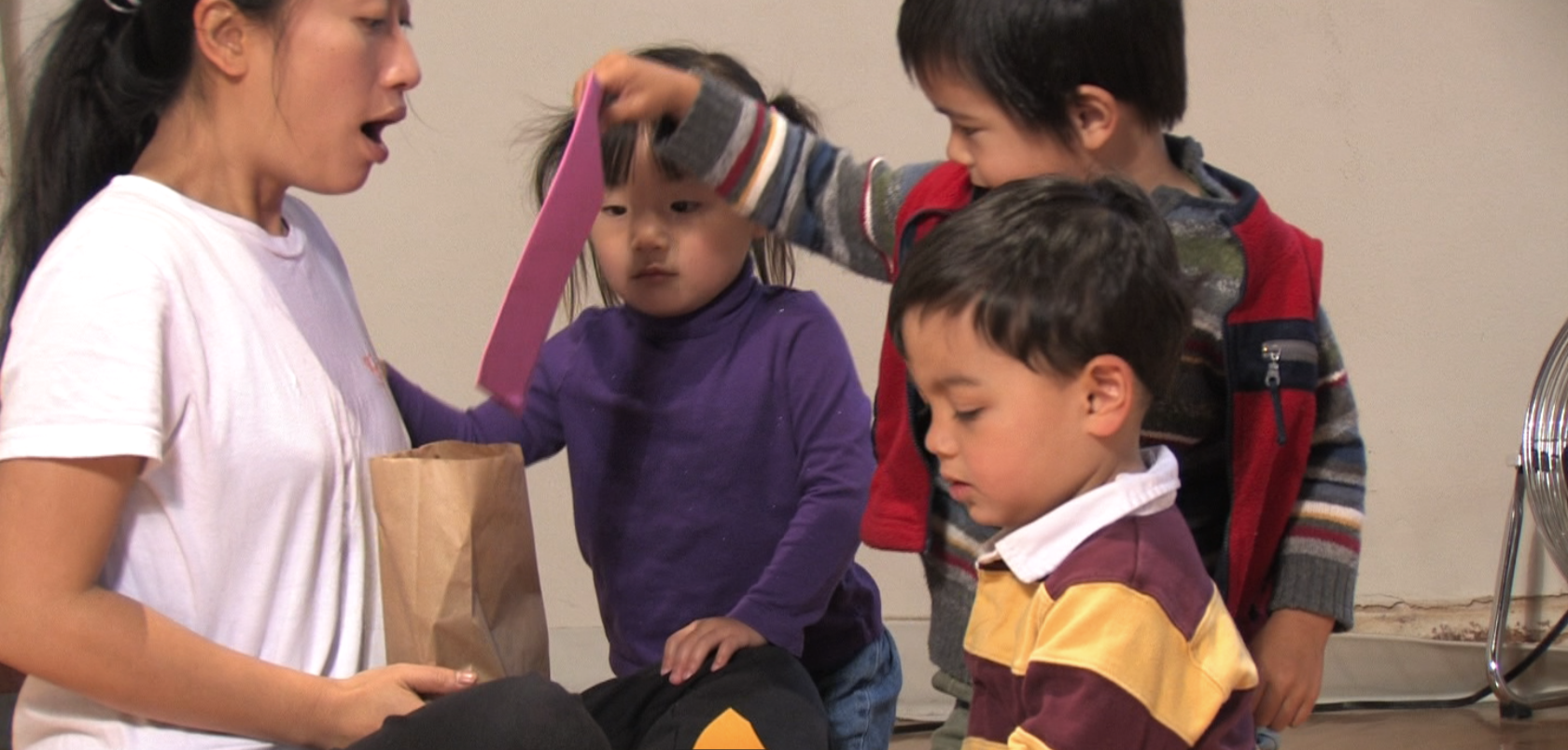
LANGO: Foreign Languages for Kids provides French, Mandarin, and Spanish classes for kids ages 18 months to 11 years old. Our classes are incredibly engaging and dynamic, taught by native or bilingual teachers with passion and positivity. As the Bay Area Director, I have the honor of working with our teachers, families, and school partners to ensure that our language program is not just meeting the needs and expectations of our families – but exceeding them! As an educator for the better part of my career, it’s incredibly powerful to see kids as young as 1 ½ years old respond non-verbally to directions in a foreign language…especially when I saw them at the start of the season with no understanding of that language at all.
What are your thoughts about leadership and language learning?
Growing up in the central valley of California, where most of my friends spoke something other than English at home, I was lucky to have learned Spanish early in life. I also had some amazing opportunities to travel during high school and college which allowed me to learn other languages. From my perspective, I’d like to see Language Leaders truly lead the charge on brining foreign languages to the lives of young children, specifically in the schools. Everyone reading this blog knows the benefits of learning a foreign language, I’d love to see our combined efforts making significant headway to expanding language acquisition to extend down to our Kinder classes.
In your opinion, what’s the most important aspect of a language teacher’s job?
 Because my focus is on early language acquisition, the most important part of a foreign language teachers job is to get the kids excited about the language. If the children are engaged in the class – having fun and enjoying themselves – they will learn the language. If they start to learn the language early in life, they will have the confidence to try other languages later on, and they will have an increase desire to learn about and understand other cultures. The more understanding there is about other people, the more we are able to find common ground…all that from a teachers’ ability to engage a young child in a foreign language.
What are some of the projects you’ve been involved with that you would like to share?
Our main project – really our whole mission – is exposing as many kids as possible to foreign languages. Even if that means simply having them come to just one season of classes; we want everyone in the Bay Area to have an opportunity to learn French, Mandarin, and/or Spanish. It’s vital in this day and age for our children to be able to communicate in more than just one language.
What do you see for the future of language learning?
Wow. The future of language learning. That’s a big question isn’t it?
I’d like to see every pre-school and elementary school with a foreign language curriculum – integrated into part of the day along with Science, History, English, Math, and all the other essential programs. I’d like to see more focus in the middle and high school foreign language programs on the importance and benefit to learning another language – not just memorization of congregation, but a deeper understanding of the cultural impact a language has on the people. I’d love to see families engaging in foreign exchange programs (like many high school students do) so that the learning and understanding becomes part of the family conversation right from the beginning. I’d like to see our ‘global awareness’ reach farther than just the catch phrase of the week.
________________
Like this post? Share or Tweet it: Interview with Cheryl Haga: Leading by Example Series http://wp.me/pNAh3-9w
Update – January 2018 – This blog has had over 1.8 million views thanks to readers like you. If you enjoyed this post, please “like” it or share it on social media. Thanks!
Sarah Elaine Eaton is a faculty member in the Werklund School of Education, University of Calgary, Canada.
 My friend and colleague, Roswita Dressler, from the University of Calgary, did a presentation called “Increasing the Effectiveness of Website Promotion for Heritage Language Bilingual School Programs“. She reviews websites from a variety of schools and talks about bilingual and heritage language learning. Way to go, Roswita!


 Posted by Sarah Elaine Eaton, Ph.D.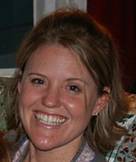




 Learning, Teaching and Leadership
You must be logged in to post a comment.