Developing the Intercultural Dimension in Language Teaching: A Practical Introduction for Teachers

August 16, 2011

Developing Intercultural Dimension in Language TeachingIn this 42-page guide, available free from the Council of Europe authors Michael Byram, Bella Gribkova and Hugh Starkey offer practical insights for classroom language teachers. The topics covered in this resource include answers to questions such as:

  • What is the intercultural dimension of language teaching?
  • What knowledge, skills, attitudes and values are involved in intercultural competence?
  • Do I need to be a native speaker?
  • How can I promote the intercultural dimension if I have to follow a set curriculum and teach grammar?
  • How do I deal with learners’ stereotypes and prejudices?
  • How do I overcome my own stereotypes and misconceptions?
  • How do I assess intercultural competence?

This is a brilliant piece of work that includes extracts from the Common European Framework of Reference for Languages and an extensive bibliography.

Get yours here: http://www.coe.int/t/dg4/linguistic/source/guide_dimintercult_en.pdf

_____________

Share this post: Developing the Intercultural Dimension in Language Teaching: A Practical Introduction for Teachers http://wp.me/pNAh3-QK

Update – January 2018 – This blog has had over 1.8 million views thanks to readers like you. If you enjoyed this post, please “like” it or share it on social media. Thanks!

Sarah Elaine Eaton is a faculty member in the Werklund School of Education, University of Calgary, Canada.


10 Steps to Raising a Multilingual Child

August 9, 2011

The Multilingual Children’s Association has a great list of 10 steps to raising a multilingual child:

  1. Agree on multilingualism
  2. Know what to expect and when
  3. How many languages — what is practical?
  4. Decide which language system works for you
  5. Don’t wait — now is the perfect time!
  6. Declare your intentions
  7. Establish a support network
  8. Get relevant materials
  9. Set your goals, but remain flexible
  10. Have patience and keep going

I loved what they have to say. Check out the full article here: 10 Steps to Raising a Multilingual Child http://bit.ly/n357oH

_____________________

Share this post: 10 Steps to Raising a Multilingual Child http://wp.me/pNAh3-Qp

Update – January 2018 – This blog has had over 1.8 million views thanks to readers like you. If you enjoyed this post, please “like” it or share it on social media. Thanks!

Sarah Elaine Eaton is a faculty member in the Werklund School of Education, University of Calgary, Canada.


Resource: Reading for Enjoyment

August 2, 2011

www.drsaraheaton.wordpress.comThe Government of South Australia has produced a 4-page resource paper called Reading for Enjoyment. It covers topics such as:

  • Why promote reading for enjoyment? What promotes reading for enjoyment?
  • Developing a reading culture.
  • Developing a school library that promotes reading for enjoyment.
  • Reading for enjoyment in the curriculum.

It includes a solid list of references at the end. If you’re looking for ideas on how to promote reading or you are doing research on reading, check out this paper. It is four pages of practical content, backed up by thorough research.

_________

Share this post: Resource: Reading for Enjoyment http://wp.me/pNAh3-Q2

Update – January 2018 – This blog has had over 1.8 million views thanks to readers like you. If you enjoyed this post, please “like” it or share it on social media. Thanks!

Sarah Elaine Eaton is a faculty member in the Werklund School of Education, University of Calgary, Canada.


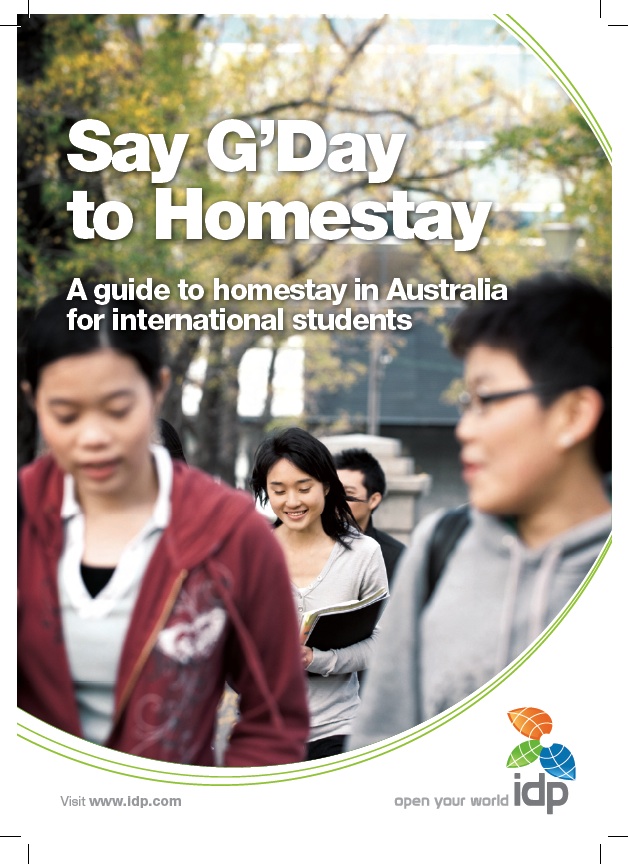
Resource: “Say G’Day to Homestay”

July 27, 2011

G'Day to HomestayIDP is an Australian organization specializing in international education services for Australia. One of those resources is a homestay guide called Say G’Day to Homestay. It is for Australia-bound international students who will be living with a local family.  This is a brilliant guide. It answers questions about everyday life in Australia that foreigners may not know such as:

  • How do I get to school?
  • What will I eat?
  • How do I dispose of household waste?

It also offers tips on laundry, lights, heating, using the telephone, home security, smoking and pets.

These are topics that locals take for granted because they seem second nature to us. The same issues confound and confuse the foreigner who may have no idea of what is expected or appropriate.

This guide is specifically for students going to Australia. If you’re not in Australia, go check it out anyway. Then ask yourself how you can provide a similar guide to your international students that will help them understand the same issues in your local area.

Here’s the link to the guide: http://www.idp.com/PDF/Say%20Gday%20to%20Homestay.pdf

Related posts:

___________________

Share this post: Resource: “Say G’Day to Homestay” http://wp.me/pNAh3-PP

Update – January 2018 – This blog has had over 1.8 million views thanks to readers like you. If you enjoyed this post, please “like” it or share it on social media. Thanks!

Sarah Elaine Eaton is a faculty member in the Werklund School of Education, University of Calgary, Canada.


The 21st century book report: How to make a digital book trailer using free technology

July 26, 2011

Here’s a great article about how to make a book trailer. The idea behind it is to get kids revved up about reading by having them make a book trailer using Photo Story 3 (free software). The idea can easily be transferred to young adults or even adults who are into technology, but not really into reading. The beauty of it is that they reader becomes the creator of the book trailer. As they create, so they become involved and invested in the processes of reading and comprehension.

They’ll need to read the book in order to choose images that properly represent the book.

This is a 21st century form of a book report. It doesn’t have to just be for a book. You can make a book trailer using Photo Story 3 for short stories, too.

The beauty of it is that it can be used for children building their reading skills, teens who need to read more and second and foreign language students of all ages. Apparently the software doesn’t handle all foreign languages very well, so you may want to check it out before using it in your class.

What a great way to get readers engaged with the material they are reading in a modern, creative way.

_____________

Share this post: The 21st century book report: How to make a digital book trailer using free technology http://wp.me/pNAh3-PL

Update – January 2018 – This blog has had over 1.8 million views thanks to readers like you. If you enjoyed this post, please “like” it or share it on social media. Thanks!

Sarah Elaine Eaton is a faculty member in the Werklund School of Education, University of Calgary, Canada.