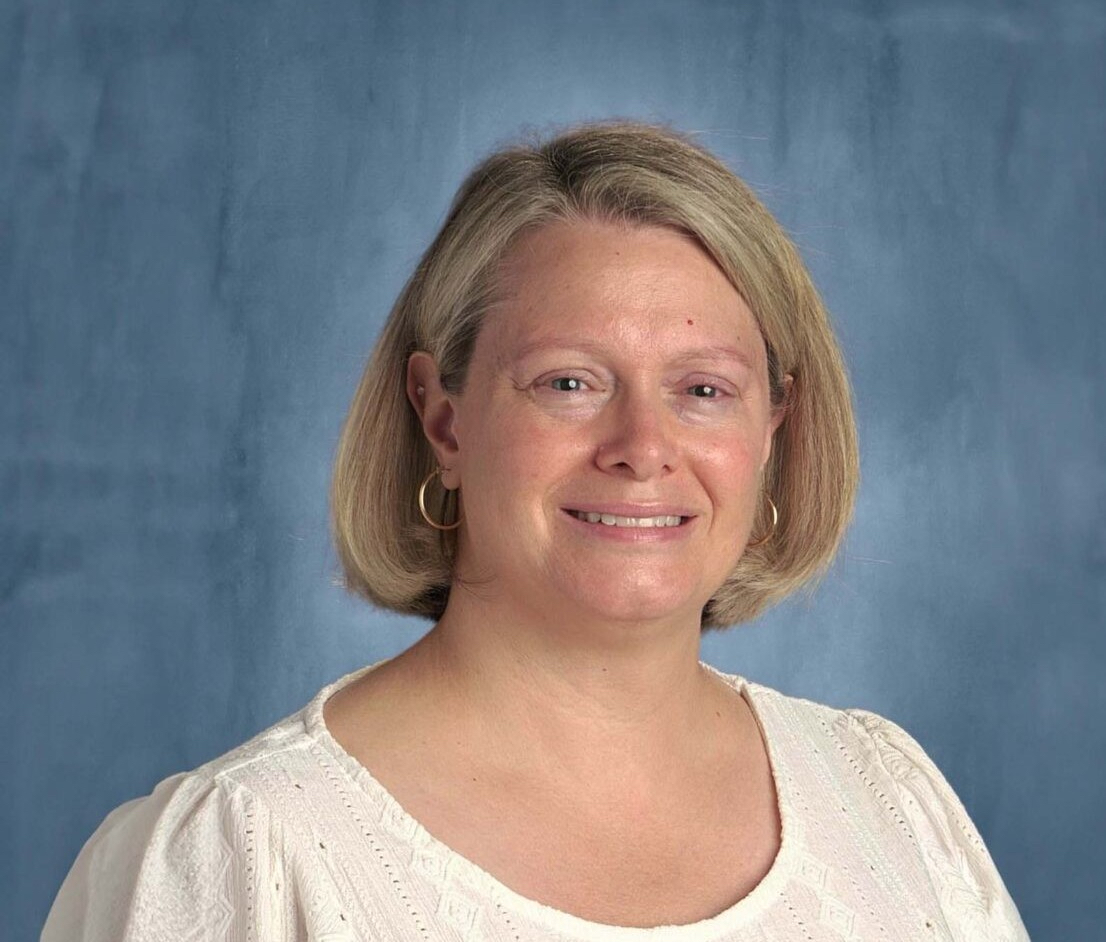
Next week is Academic Integrity Week at the Univeristy of Calgary. This year, I have the honour of moderating a fireside chat with one of my very own Werklund School of Education Doctor of Education (EdD) students, Colleen Fleming.
Join us for a thought-provoking discussion during Academic Integrity Week 2024!
Discover the crucial link between academic integrity and inclusion in higher education with our distinguished speaker, Colleen Fleming, EdD student, Werklund School of Education.
Moderated by Dr. Sarah Elaine Eaton, this conversation will explore:
Defining academic integrity in an inclusive context
Challenges in maintaining integrity across diverse student populations
Practical strategies for educators to promote both integrity and inclusion
Don’t miss this opportunity to gain insights from Colleen’s extensive experience as a K-12 practitioner and her cutting-edge doctoral research. Engage in a live Q&A session and contribute to this important conversation.
A bit about Colleen…
Colleen Fleming (she/her/hers) is a K-12 practitioner at a designated special education school in Calgary. She has a keen interest in developing a culture of integrity among learners through the promotion of equity, diversity, and inclusion. As a Doctor of Education student at Werklund, her research involves proactively educating students about academic integrity in preparation for higher education.
Event details
Date: October 16, 2024
Time: 12:00 – 1:00 p.m.
Location: University of Calgary, Taylor Family Digital Library, Gallery Hall
This blog has had over 3 million views thanks to readers like you. If you enjoyed this post, please “like” it or share it on social media. Thanks!
Sarah Elaine Eaton, PhD, is a Professor and Research Chair in the Werklund School of Education at the University of Calgary, Canada. Opinions are my own and do not represent those of my employer.
It’s the start of a new school year here in North America. We are into the second week of classes and already I am hearing from administrators in both K-12 and higher education institutions who are frustrated with educators who have turned to ChatGPT and other publicly-available Gen AI apps to help them assess student learning.
Although customized AI apps designed specifically to assist with the assessment of student learning already exist, many educators do not yet have access to such tools. Instead, I am hearing about educators turning to large language models (LLMs) like ChatGPT to help them provide formative or summative assessment of students’ work. There are some good reasons not to avoid using ChatGPT or other LLMs to assess student learning.
I expect that not everyone will agree with these points, please take them with the spirit in which they are intended, which to provide guidance on ethical ways to teach, learn, and assess students’ work.
8 Tips on Why Educators Should Avoid Using AI Apps to Help with Assessment of Student Learning
Intellectual Property
In Canada at least, a student’s work is their intellectual property. Unless you have permission to use it outside of class, then avoid doing so. The bottom line here is that student’s intellectual work is not yours to share to a large-language model (LLM) or any other third party application, with out their knowledge and consent.
Privacy
A student’s personal data, including their name, ID number and other details should never be uploaded to an external app without consent. One reason for this blog post is to respond to stories I am hearing about educators uploading entire student essays or assignments, including the cover page with all the identifying information, to a third-party GenAI app.
Data security
Content uploaded to an AI tool may be added to its database and used to train the tool. Uploading student assignments to GenAI apps for feedback poses several data security risks. These include potential breaches of data storage systems, privacy violations through sharing sensitive student information, and intellectual property concerns. Inadequate access controls or encryption could allow unauthorized access to student work.
AI model vulnerabilities might enable data extraction, while unintended leakage could occur through the AI app’s responses. If the educator’s account is compromised, it could expose all of the uploaded assignments. The app’s policies may permit third-party data sharing, and long-term data persistence in backups or training sets could extend the risk timeline. Also, there may be legal and regulatory issues around sharing student data, especially for minors, without proper consent.
Bias
AI apps are known to be biased. Feedback generated by an AI app can be biased, unfair, and even racist. To learn more check out this article published in Nature. AI models can perpetuate existing biases present in their training data, which may not represent diverse student populations adequately. Apps might favour certain writing styles (e.g., standard American English), cultural references, or modes of expression, disadvantaging students from different backgrounds.
Furthermore, the AI’s feedback could be inconsistent across similar submissions or fail to account for individual student progress and needs. Additionally, the app may not fully grasp nuanced or creative approaches, leading to standardized feedback that discourages unique thinking.
Lack of context
An AI app does not know your student like you do. Although GenAI tools can offer quick assessments and feedback, they often lack the nuanced understanding of a student’s unique context, learning style, and emotional or physical well-being. Overreliance on AI-generated feedback might lead to generic responses, diminishing the personal connection and meaningful interaction that educators provide, which are vital for effective learning.
Impersonal
AI apps can provide generic feedback, but as an educator, you can personalize feedback to help the student grow. AI apps can provide generic feedback but may not help to scaffold a student’s learning. Personalized feedback is crucial, as it fosters individual student growth, enhances understanding, and encourages engagement with the material. Tailoring feedback to specific strengths and weaknesses helps students recognize their progress and areas needing improvement. In turn, this helps to build their confidence and motivation.
Academic Integrity
Educators model ethical behaviour, this includes transparent and fair assessment. If you are using tech tools to assess student learning, it is important to be transparent about it. In this post, I write more about how and why deceptive and covert assessment tactics are unacceptable.
Your Employee Responsibilities
If your job description includes assessing student work , you may be violating your employment contract if you offload assessment to an AI app.
Concluding Thoughts
Unless your employer has explicitly given you permission to use AI apps for assessing student work then, at least for now, consider providing feedback and assessment in the ways expected by your employer. If we do not want students to use AI apps to take shortcuts, then it is up to us as educators to model the behavior we expect from students.
I understand that educators have excessive and exhausting workloads. I appreciate that we have more items on our To Do Lists than is reasonable. I totally get it that we may look for shortcuts and ways to reduce our workload. The reality is that although Gen AI may have the capability to help with certain tasks, not all employers have endorsed their use in same way.
Not all institutions or schools have artificial intelligence policies or guideline, so when in doubt, ask your supervisor if you are not sure about the expectations. Again, there is a parallel here with student conduct. If we expect students to avoid using AI apps unless we make it explicit that it is OK, then the same goes for educators. Avoid using unauthorized tech tools for assessment without the boss knowing about it.
I am not suggesting that Gen AI apps don’t have the capability to assist with AI, but I am suggesting that many educational institutions have not yet approved the use of such apps for use in the workplace. Trust me, when there are Gen AI apps to help with the heaviest aspects of our workload as educators, I’ll be at the front of the line to use them. In the meantime, there’s a balance to be struck between what AI can do and what one’s employer may permit us to use AI for. It’s important to know the difference — and to protect your livelihood.
This blog has had over 3.6 million views thanks to readers like you. If you enjoyed this post, please “like” it or share it on social media. Thanks!
Sarah Elaine Eaton, PhD, is a faculty member in the Werklund School of Education at the University of Calgary, Canada. Opinions are my own and do not represent those of my employer.
Sarah Elaine Eaton, PhD, Editor-in-Chief, International Journal for Educational Integrity
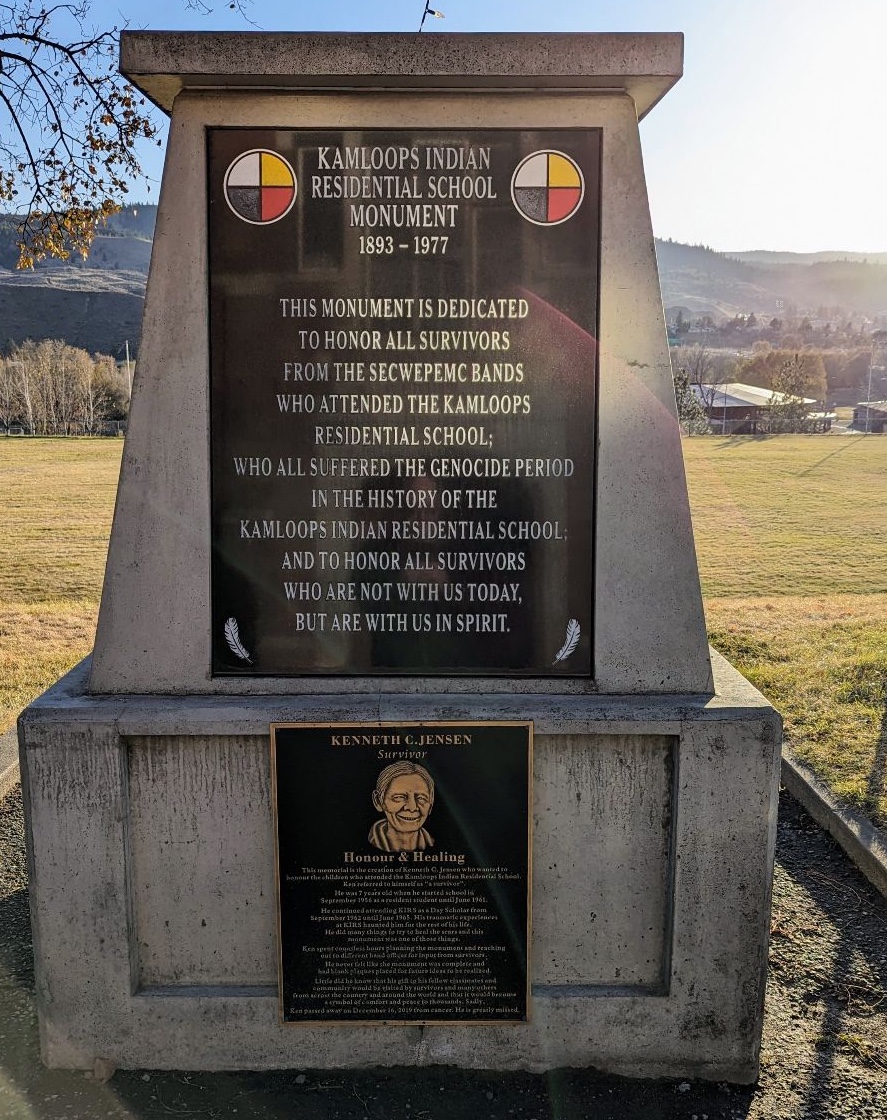
It has been a while since I’ve posted. The new job has kept me busier than I ever imagined. There’s been lots going on in the academic integrity and artificial intelligence space and I’ll share some updates about that work soon. For now though, I wanted to reflect on my recent visit to Kamloops, British Columbia, which included a stop at the former Kamloops Indian Residential School in Tk’emlups te Secwépemc First Nation. What a profound and emotionally charged experience. The school, once a site of assimilation policies and cultural erasure, stands as a stark reminder of Canada’s colonial history and the enduring impact it has had on Indigenous communities.
Approaching the school grounds, the weight of the history and the gravity of the space were palpable. The imposing school building, now weathered and repurposed, stood as a silent witnesses to the atrocities that took place at that site. I couldn’t help but reflect on my positionality as a settler and the privilege that comes with it. It was a powerful moment to acknowledge the painful truths of the past and to confront the systemic injustices that persist today.
Walking through the grounds of the Kamloops Indian Residential School, I felt a mix of emotions – sorrow, anger, and a profound sense of responsibility. The stories of the Indigenous children who were forcibly taken from their families and subjected to cultural suppression echoed. I did not go inside, but as I stood outside and looked at the windows, I sensed that each room — and every inch of that building — told a story of resilience and survival, but also of loss and trauma that transcends generations.
One of the most haunting aspects of the visit was being in the place for the remains of the first 215 children were found in 2021 in unmarked graves on the school grounds. This added a layer of grief to the already heavy atmosphere. I was quiet for most of the time we were there, processing an overwhelming sense of sorrow. The weight of the knowledge that these children had been forgotten, their stories erased, and their lives devalued, was a somber reminder of the need for reconciliation and justice.
I choked back tears as I stood in front of the memorial at the school. The emotional impact of the visit extended beyond the physical building and the grounds of the school. It prompted deep introspection about the role of settlers in the process of decolonization. Confronting the painful history of the residential school system requires more than acknowledgment; it demands active engagement and commitment to dismantling the ongoing structures of oppression. I felt a renewed sense of responsibility to educate myself, to amplify Indigenous voices, and to advocate for justice.
The power and psychological impact of witnessing the aftermath of cultural genocide is something I find difficult to express… and simultaneously, it also cannot be understated. I realized that I was not only recognizing — but reckoning with — my privilege in more visceral way than I ever had before, which further galvanized my commitment to challenging the systems that uphold colonial legacies.
The visit concluded with a walk through the healing garden with 215 plants, one for each body of a missing child buried at the site. With winter approaching, the garden is done for the season and the symbolism of visiting the garden when the plants were withered was symbolic and profound. Nevertheless, I sensed the hope and healing as we walked through the space were plants will grow again next year.
The experience of visiting the former Kamloops Indian Residential School was transformative and the memory of it will stay with me for a long time. It served as a reminder of the deep wounds inflicted by colonialism and the ongoing responsibility of settlers to actively participate in the process of decolonization. The emotional and psychological impact of confronting this painful history underscored the need to work towards a more just and equitable future for all.
Visiting a former residential school is both individual journey, and also part of our collective responsibility to decolonization and social justice. This visit provided tangible connection to the painful legacy of colonialism, fostering empathy and understanding — and it is an experience that I recommend. To bear witness, confront uncomfortable truths, and actively contribute to reconciliation are just a few of the reasons why I would recommend a visit a former residential school (and this one in particular). A visit to a former residential school is a step towards Truth and Reconciliation; one step in a long journey, and one that is well worth it.
This blog has had over 3 million views thanks to readers like you. If you enjoyed this post, please “like” it or share it on social media. Thanks!
Sarah Elaine Eaton, PhD, is a faculty member in the Werklund School of Education at the University of Calgary, Canada. Opinions are my own and do not represent those of my employer.
Comments Off on A Journey of Reflection: Visiting the Former Kamloops Indian Residential School | education, ethics | Permalink Posted by Sarah Elaine Eaton, Ph.D.
On July 1, 2023 I started a new role at the University of Calgary as the Academic Director, Equity, Diversity, and Inclusion (EDI), Education, and Academic Integrity. I have the privilege of working with Dr. Malinda Smith, Vice-Provost, EDI, and an entire team of academic and professional staff whose primary focus is on equity, diversity, inclusion, and accessibility.
In this role, I will:
Continue to build awareness of equity, diversity, inclusion, and accessibility as they relate to academic ethics across the university.
Advise and contribute to the development of resources and supports on academic ethics needed for leaders, academic staff, managers, support staff, students and other university stakeholders.
Develop local, regional, and national partnerships that connect initiatives related to academic ethics as they pertain to equity, diversity, inclusion, and accessibility.
Facilitate campus conversations related to academic ethics through existing networks, committees, and other informal and formal groups.
Develop action-oriented recommendations related to academic ethics from the perspective of equity, diversity, inclusion, and accessibility.
Focus on equity-deserving groups that include, but are not limited to, international students, visiting students, post-doctoral fellows, and early career researchers.
For a few years now, my research and advocacy work as included a more intense focus on social justice, advocacy, and equity. Here is some work I’ve done in the past few years that led to this role that might be helpful if you’re looking for resources on this topic:
Adams, J. D., Turner, K. L., & Eaton, S. E. (2021, March 24). Diversity and equity considerations in academic integrity Association of American Colleges & Universities (AAC&U) 2021 Diversity, Equity, and Student Success Conference, http://hdl.handle.net/1880/113175
Eaton, S. E. (2022). New priorities for academic integrity: equity, diversity, inclusion, decolonization and Indigenization. International Journal for Educational Integrity. https://doi.org/10.1007/s40979-022-00105-0
Eaton, S. E., Stoesz, B. M., Godfrey Anderson, J. R., & LeBlanc-Haley, J. (2022, April 25). Academic integrity through an equity lens: Policy analysis of universities in Atlantic Canada American Educational Research Association (AERA) [online], San Diego, USA. http://hdl.handle.net/1880/114574
Eaton, S. E., Vogt, L., Seeland, J., & Stoesz, B. M. (2023, June 1-2). Academic integrity policy analysis of Alberta and Manitoba colleges Canadian Symposium on Academic Integrity (CSAI), University of Manitoba, Winnipeg, MB, Canada. https://hdl.handle.net/1880/116575
Pagaling, R., Eaton, S. E., & McDermott, B. (2022, April 4). Academic Integrity: Considerations for Accessibility, Equity, and Inclusion. http://hdl.handle.net/1880/114519
Parnther, C., & Eaton, S. E. (2021). Equity, Diversity, Inclusion, and Academic Integrity: Supporting Student Advocacy. http://hdl.handle.net/1880/113143
Parnther, C., & Eaton, S. E. (2021, June 23). Academic integrity and anti-Black aspects of educational surveillance and e-proctoring. Teachers College Record. https://www.tcrecord.org/Content.asp?ContentID=23752
The forthcoming Handbook of Academic Integrity (2nd ed.) has a brand new section on Equity, Diversity, and Inclusion in Academic Integrity. Dr. Ceceilia Parnther serves as the Section Editor. Bringing this topic to light in the handbook will help to centre important conversations about discrimination and advocacy for student success and the student experience.
I am excited to take on this work and look forward to the ways in which we can make progress on these important matters.
This blog has had over 3 million views thanks to readers like you. If you enjoyed this post, please “like” it or share it on social media. Thanks! Sarah Elaine Eaton, PhD, is a faculty member in the Werklund School of Education, and the Educational Leader in Residence, Academic Integrity, University of Calgary, Canada. Opinions are my own and do not represent those of the University of Calgary.
The aim of this series is to provide an authoritative series of books on topics relating to ethics and integrity in educational contexts. Its scope includes ethics and integrity, defined in broad and inclusive terms, in educational contexts. It focuses on higher education, but also welcomes contributions that address ethics and integrity in primary and secondary education, non-formal educational contexts, professional education, etc. We welcome books that address traditional academic integrity topics such as plagiarism, exam cheating, and collusion.
In addition, we are particularly interested in topics that extend beyond questions of student conduct, such as
Quality assurance in education;
Research ethics and integrity;
Admissions fraud;
Fake and fraudulent credentials;
Publication ethics;
Educational technology ethics (e.g., surveillance tech, machine learning, and artificial intelligence, as they are used in education);
Biomedical ethics in educational contexts;
Ethics in varsity and school sports.
This series extends beyond traditional and narrow concepts of academic integrity to broader interpretations of applied ethics in education, including corruption and ethical questions relating to instruction, assessment, and educational leadership. It also seeks to promote social justice, diversity, equity, and inclusion.
The series provides a forum to address emerging, urgent, and even provocative topics related to ethics and integrity at all levels of education, from a variety of disciplinary and geographical perspectives.
Editorial Board
I am delighted to work with an international group scholars and experts as members of the Editorial Board:
Tomáš Foltýnek, Department of Informatics, Faculty of Business and Economics, Mendel University, Brno, Czechia
Irene Glendinning, Coventry University, Coventry, UK
Zeenath Reza Khan, University of Wollongong, Dubai, United Arab Emirates
Rebecca Moore Howard, Syracuse University, New York, USA
Mark Israel, Australasian Human Research Ethics Consultancy Services, Perth, Australia
Ceceilia Parnther, St. Johns’ University, New York, USA
Brenda M. Stoesz, The Center for Advancement of Teaching and Learning, University of Manitoba, Winnipeg, Manitoba, Canada
Forthcoming and New Books
The first book to launch the series will be Academic Integrity in Canada (Eaton & Christensen Hughes, eds., forthcoming). I will share more details about this first book when we are closer to publication, which should be in mid to late 2021.
Proposals for a number of other books to join the series are underway, with authors and editors from a variety of countries.
If you have an idea for a book to be included as part of this series, please contact me.
This blog has had over 2 million views thanks to readers like you. If you enjoyed this post, please “like” it or share it on social media. Thanks!
Sarah Elaine Eaton, PhD, is a faculty member in the Werklund School of Education, and the Educational Leader in Residence, Academic Integrity, University of Calgary, Canada.
Opinions are my own and do not represent those of the University of Calgary or anyone else.



 Posted by Sarah Elaine Eaton, Ph.D.


 Learning, Teaching and Leadership
You must be logged in to post a comment.